

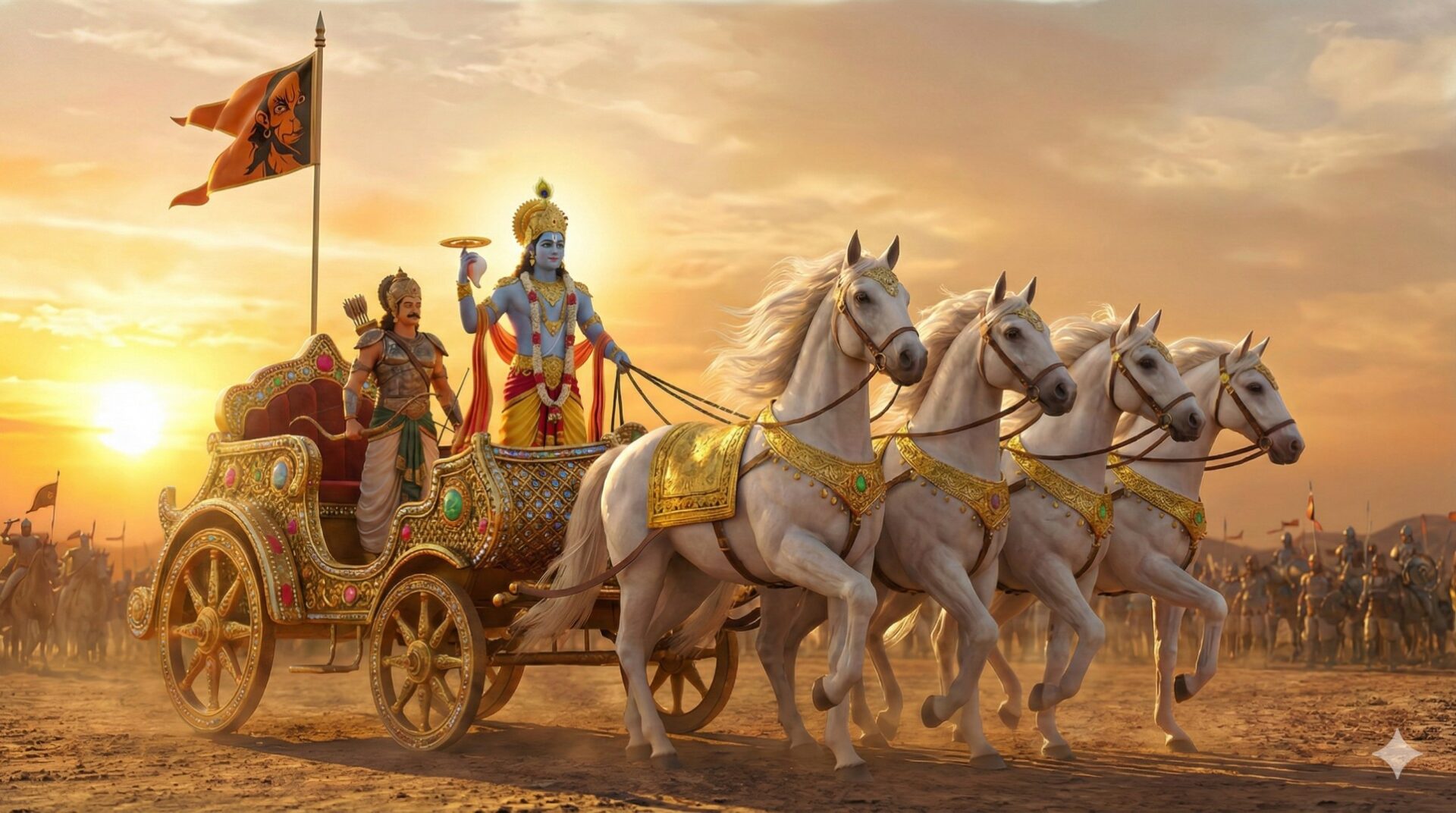
In the hustle and bustle of modern life, finding timeless wisdom that guides us through dilemmas of duty, purpose, and spirituality can feel like a rare gem. Enter the Bhagavad Gita—the divine song of Lord Krishna to Arjuna on the battlefield of Kurukshetra. This ancient Hindu scripture isn’t just a religious text; it’s a practical manual for living a balanced, meaningful life. Whether you’re facing career crossroads, personal doubts, or seeking inner peace, the Gita has answers.
Inspired by the insightful YouTube video भगवद्गीता 1-18 अध्याय का सार हिंदी में, which distills the essence of all 18 chapters into a concise 15-20 minute explanation in simple Hindi, this blog post breaks it down in English for global readers. Perfect for beginners, spiritual seekers, or anyone revisiting the Gita’s profound teachings. Let’s dive into a chapter-by-chapter summary to uncover the Bhagavad Gita summary that has inspired millions.
Why Read a Bhagavad Gita Summary?
Before we jump in, here’s why this matters:
- Timeless Relevance: Addresses universal themes like karma (action), dharma (duty), and moksha (liberation).
- Quick Insights: No need to read 700 verses—get the core in under 30 minutes.
- SEO Tip for You: If you’re creating content around spirituality, target keywords like “Bhagavad Gita chapters explained,” “Gita summary in English,” and “Krishna’s teachings” to attract search traffic.
Now, let’s explore each chapter’s key essence.
Chapter 1: Arjuna Vishada Yoga (The Yoga of Arjuna’s Dejection)
The Gita opens on the eve of the Mahabharata war. Arjuna, the mighty warrior, sees his relatives and teachers on the opposing side and is overwhelmed by grief and doubt. He questions the morality of fighting and lays down his bow, symbolizing human weakness in the face of ethical dilemmas.
Key Takeaway: Life’s battles often bring emotional turmoil. Acknowledging despair is the first step toward wisdom. Krishna’s response begins here, setting the stage for divine guidance.
Chapter 2: Sankhya Yoga (The Yoga of Knowledge)
Krishna consoles Arjuna, explaining the immortality of the soul (Atman). The body is temporary, like changing clothes, but the soul is eternal. He introduces Sankhya philosophy: distinguish between the perishable body and imperishable soul. Krishna urges detached action without attachment to results.
Key Takeaway: “You have the right to perform your prescribed duty, but you are not entitled to the fruits of action.” This verse (2.47) is the Gita’s cornerstone—act selflessly for inner equanimity.
Chapter 3: Karma Yoga (The Yoga of Action)
Arjuna wonders if renunciation is better than action. Krishna clarifies: True renunciation isn’t escaping duties but performing them without ego. Karma Yoga teaches selfless service—work as an offering to the divine, free from desires.
Key Takeaway: Inaction in the name of spirituality is delusion. Engage in the world, but let go of outcomes to avoid karmic bondage.
Chapter 4: Gyan Karma Sanyasa Yoga (The Yoga of Knowledge and Renunciation of Action)
Krishna reveals his divine incarnations and the power of knowledge to burn past sins like fire consumes wood. He emphasizes that enlightened action transcends ordinary karma.
Key Takeaway: Spiritual knowledge elevates everyday actions into paths to liberation. Even the wise must act to set an example for society.
Chapter 5: Karma Sanyasa Yoga (The Yoga of Renunciation)
Comparing renunciation and disciplined action, Krishna says both lead to the same goal, but Karma Yoga is superior for most. The realized soul sees unity in all beings.
Key Takeaway: Renounce the ego, not the action. True sannyasa (renunciation) is internal peace amid external duties.
Chapter 6: Dhyana Yoga (The Yoga of Meditation)
This chapter outlines meditation practices: moderation in diet, sleep, and activities; a quiet space; and focused mind on the divine. The yogi who masters the self is greater than any conqueror.
Key Takeaway: “For him who has conquered the mind, the mind is the best of friends; but for one who has failed to do so, his mind will remain the greatest enemy.” (6.6) Self-control is key to yoga.
Chapter 7: Gyan Vigyan Yoga (The Yoga of Knowledge and Realization)
Krishna describes his lower (material) and higher (spiritual) nature. Devotion through knowledge leads to realizing the divine in everything. Only a few transcend Maya (illusion).
Key Takeaway: Surrender to the divine with love—it’s the easiest path to wisdom.
Chapter 8: Akshar Brahma Yoga (The Yoga of the Imperishable Absolute)
Arjuna asks about death and remembrance of the divine. Krishna explains paths to liberation: dying with thoughts of God reaches higher realms; constant remembrance ensures moksha.
Key Takeaway: Fix your mind on me at the hour of death for ultimate union.
Chapter 9: Raj Vidya Raj Guhya Yoga (The Yoga of Royal Knowledge and Secret)
Krishna shares the most confidential knowledge: He is the source of all, yet untouched by sin. Devotees who offer everything with faith attain him.
Key Takeaway: “Even if the most sinful worships me with undivided devotion, he should be considered righteous.” (9.30) Divine grace is boundless.
Chapter 10: Vibhuti Yoga (The Yoga of Divine Glories)
To bolster faith, Krishna lists his manifestations in the universe—from the sun to great sages—showing his omnipresence.
Key Takeaway: Recognize the divine in excellence and beauty; it fosters devotion.
Chapter 11: Vishwarupa Darshana Yoga (The Yoga of the Vision of the Universal Form)
Arjuna beholds Krishna’s cosmic form—terrifying yet awe-inspiring—with countless arms, faces, and worlds within. He begs for the gentle form back.
Key Takeaway: The divine is both nurturing and destructive; true vision humbles the ego.
Chapter 12: Bhakti Yoga (The Yoga of Devotion)
Krishna prefers devotees who worship with love over ritualistic ones. Bhakti is simple: offer love without expectations.
Key Takeaway: “Those who worship Me with devotion, meditating on My form, are the best yogis.” (12.2) Heartfelt devotion trumps intellectual paths.
Chapter 13: Kshetra Kshetragya Vibhaga Yoga (The Yoga of the Field and Knower of the Field)
The body is the “field,” the soul the “knower.” Knowledge of this distinction, plus humility and non-violence, leads to purity.
Key Takeaway: Understand the material vs. spiritual to transcend limitations.
Chapter 14: Gunatraya Vibhaga Yoga (The Yoga of the Division of the Three Gunas)
The three gunas (sattva, rajas, tamas) govern nature. Rise above them through devotion to achieve liberation.
Key Takeaway: Sattva (purity) elevates; transcend all for freedom.
Chapter 15: Purushottama Yoga (The Yoga of the Supreme Person)
The world as an inverted Ashwattha tree: roots in the divine, branches in the material. Cut attachments to reach the eternal abode.
Key Takeaway: The Supreme Person is beyond perishable and imperishable.
Chapter 16: Daivasura Sampad Vibhaga Yoga (The Yoga of Divine and Demonic Qualities)
Divine traits (fearlessness, purity) vs. demonic (hypocrisy, arrogance). Cultivate divine qualities for spiritual progress.
Key Takeaway: Character shapes destiny—choose divinity.
Chapter 17: Shraddhatraya Vibhaga Yoga (The Yoga of the Division of Threefold Faith)
Faith, food, sacrifice, and austerity classified by gunas. Sattvic acts lead to truth.
Key Takeaway: Align actions with purity for genuine spirituality.
Chapter 18: Moksha Sanyasa Yoga (The Yoga of Liberation by Renunciation)
The grand finale: Surrender all actions to Krishna. Freedom comes from devotion and selfless duty.
Key Takeaway: “Abandon all varieties of dharma and just surrender unto Me. I shall deliver you from all sins.” (18.66)—the Gita’s ultimate call.
Key Takeaways from the Bhagavad Gita
- Act Without Attachment: Perform duties selflessly.
- Seek Knowledge and Devotion: Balance intellect with love for the divine.
- Master the Mind: Through meditation and equanimity.
- Surrender to the Higher Power: True liberation is in faith.
This Bhagavad Gita all chapters summary echoes the video’s simple, accessible style—ideal for daily reflection.
Watch the Full Video for Deeper Insights
For a heartfelt Hindi narration that brings these teachings alive, check out the original video: <iframe width=”560″ height=”315″ src=”https://www.youtube.com/embed/9c4CoTWvNA8″ title=”YouTube video player” frameborder=”0″ allow=”accelerometer; autoplay; clipboard-write; encrypted-media; gyroscope; picture-in-picture; web-share” referrerpolicy=”strict-origin-when-cross-origin” allowfullscreen></iframe>
Final Thoughts: Apply the Gita Today
The Bhagavad Gita isn’t meant for shelves—it’s for life. Start with one chapter’s lesson today. Share your thoughts in the comments: Which teaching resonates most? Subscribe for more spiritual summaries, and if you’re into Hindi content, the linked video is a gem.
Jai Shri Krishna!
